🌎 Available in the United States, United Kingdom, Canada, Australia, New Zealand & Ireland.
Updated September 2026
Published by the OptiLife Editorial Team | Updated 2026
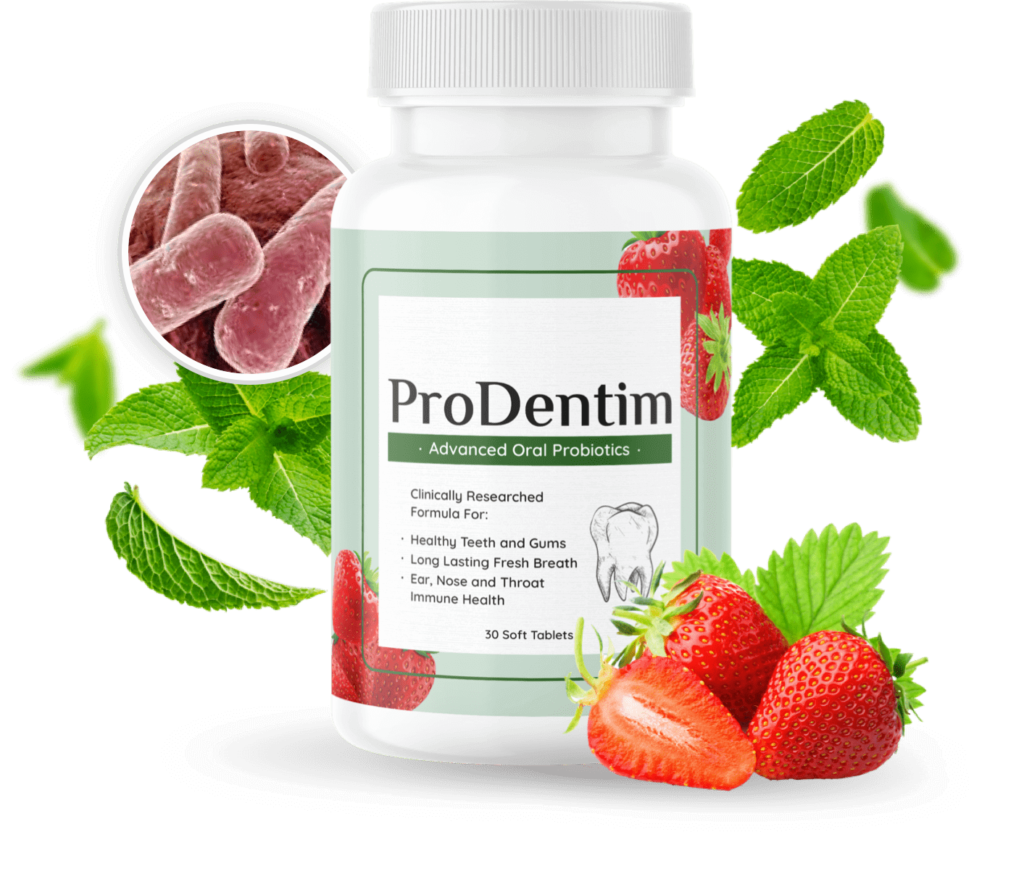
⚡ ProDentim — Quick Summary (2026)
| 📦 Product | ProDentim |
| 🔬 Type | Dietary Supplement |
| 👥 Best For | Adults 18+ |
| 💰 Price | Check Current Price → |
—
Overview and Quick Verdict
ProDentim is an oral probiotic supplement marketed primarily for dental and oral health, and while some of its core probiotic ingredients have legitimate research support for general oral microbiome balance, the finished formula itself has not been validated in independent clinical trials — so the full scope of its marketing claims cannot be confirmed from available public evidence. Adults looking for a daily probiotic lozenge with some oral-health focus may find it a reasonable option, but anyone expecting dramatic or guaranteed results should temper expectations before purchasing.
When we reviewed the label, the publicly available ingredient information, and the manufacturer’s claims, a few things stood out immediately. The product leans heavily on the growing science around the oral microbiome — the idea that beneficial bacteria in the mouth play a meaningful role in overall oral wellness. That’s not a fringe concept. There’s legitimate published research suggesting that probiotic strains can influence the bacterial balance in the mouth. Whether ProDentim delivers those strains at effective doses, and whether the complete formula performs as advertised, is where the picture gets murkier.
This is a documentary review — we reviewed the label, compared the manufacturer’s claims against published research on the individual ingredients, and noted what independent user reports were and were not available. We did not conduct a personal trial of this supplement.
No numeric score or star rating is assigned here. Ratings manufactured without controlled testing are misleading, and we won’t do that to you.
—
What ProDentim Is and How It Claims to Work
ProDentim is a chewable probiotic tablet — often described as a “soft tablet” or lozenge — designed to be dissolved slowly in the mouth rather than swallowed whole. That delivery mechanism is actually central to its core premise: the manufacturer argues that oral probiotics need to be released directly into the mouth to populate the oral microbiome, rather than passing through the digestive tract where most of the bacterial strains would be destroyed by stomach acid.
According to the manufacturer, most conventional dental hygiene products (toothpastes, mouthwashes) disrupt the natural bacterial environment of the mouth by wiping out both harmful and beneficial bacteria indiscriminately. ProDentim’s commercial thesis is that replenishing “good” bacteria directly in the oral cavity can help restore a healthier microbial balance — one that may support gum health, fresher breath, and broader oral wellness over time.
The formula is described as containing a blend of probiotic strains alongside some additional botanical and nutrient compounds. It’s sold as a dietary supplement, which means it operates outside the framework of pharmaceutical approval. The manufacturer positions it for health-conscious adults seeking daily oral and general wellness support.
It’s produced under the ProDentim brand and sold primarily through its official website and through ClickBank’s affiliate network, which is standard practice for direct-to-consumer supplement brands. That distribution model doesn’t, by itself, indicate anything negative — but it does mean the review landscape includes a high volume of affiliate-written content that should be read critically.
—
Ingredient Analysis: What the Research Shows
We spent time going through the ingredient list as disclosed in publicly available product material. Here’s what the research actually shows for the key components:
Lactobacillus Paracasei
This is one of the better-studied oral probiotic strains. Published research suggests L. paracasei may help support gum health and has shown some ability to inhibit the growth of certain harmful oral bacteria in laboratory and small clinical settings. The evidence is preliminary but not trivial. Importantly, these are studies on the isolated strain — not on ProDentim’s finished formula.
Lactobacillus Reuteri
L. reuteri has a reasonable body of research behind it for oral health applications. Some studies suggest it may help reduce gingival inflammation and support a healthier bacterial balance in the mouth. Again, this is strain-level research, not formula-level validation. The quality and volume of these studies vary, and most involve small sample sizes.
B.lactis BL-04®
This is a trademarked strain with some published research around immune support and respiratory health. The connection to oral health specifically is less direct, and there is no clinical evidence supporting a specific oral-microbiome benefit for this strain when used in an oral probiotic lozenge format. It may contribute to general immune vitality, which the manufacturer appears to reference broadly.
Inulin
Inulin is a prebiotic fiber, meaning it acts as food for beneficial bacteria rather than being a probiotic itself. Its inclusion makes logical sense in a probiotic formula — prebiotics can help sustain the probiotic strains included alongside them. Published research on inulin as a prebiotic is well-established in the gut health context; its role specifically in oral microbiome support is less studied.
Malic Acid
The manufacturer claims malic acid supports tooth whiteness. Published research on malic acid in dentistry is limited and largely involves topical applications in clinical settings rather than dietary supplementation. There is no clinical evidence supporting a whitening effect from malic acid consumed as part of a chewable supplement at standard dietary doses.
Tricalcium Phosphate
This compound is used in dental products and has some research support for remineralization of tooth enamel in direct topical applications. Whether ingesting it in a lozenge delivers meaningful enamel-level benefits is a different question — and one the available research doesn’t clearly answer in this supplement context.
Peppermint
Included primarily for its antimicrobial properties and, practically speaking, for fresh breath. Peppermint’s antimicrobial effects in oral care have moderate research support, though most studies focus on peppermint oil in rinse or gel forms rather than in supplement tablets.
The honest bottom line on ingredients: the probiotic core — L. paracasei, L. reuteri, and BL-04® — has a reasonable evidence base at the strain level. The supporting ingredients are a mixed bag of well-reasoned additions and some claims that outpace the available science.
Check the official ProDentim website
—
Dosage and Label Transparency
One of the first things we look for in any supplement review is whether the manufacturer discloses actual milligram amounts for each ingredient. Proprietary blends — where multiple ingredients are lumped under a single total weight — are a transparency red flag because they make it impossible to evaluate whether any individual ingredient is present at a dose consistent with the research.
Based on available product material, ProDentim does disclose the total probiotic count (3.5 billion CFUs), which is a meaningful figure. CFU (colony-forming unit) counts matter for probiotics: too low, and there’s little functional benefit; too high, and it may not be meaningfully better. 3.5 billion CFUs sits on the lower end of what research typically uses in oral probiotic studies — some clinical trials use higher counts — but it’s not an implausible dose for a daily maintenance product.
What’s less clear from publicly available material is the exact milligram breakdown of the non-probiotic ingredients (malic acid, inulin, tricalcium phosphate, peppermint). Without those figures, it’s genuinely difficult to compare disclosed doses against the research literature.
We’d call this partial transparency — better than a fully opaque proprietary blend, but not as fully disclosed as the most transparent supplement labels on the market. If label transparency is a priority for you, that’s worth factoring into your decision.
—
Promises Versus Reality
| What the marketing promises | What the evidence supports |
|---|---|
| Replenishes the oral microbiome with beneficial bacteria | The included probiotic strains have strain-level research support for oral microbiome influence; formula-level evidence is not available |
| Supports healthy gums | L. reuteri and L. paracasei show some preliminary evidence for gum health at the strain level; no finished-formula clinical data |
| Promotes fresher breath | Peppermint and probiotic rebalancing may support breath freshness; this is a plausible but unconfirmed benefit for this specific product |
| Supports tooth whiteness (via malic acid) | There is no clinical evidence supporting whitening from malic acid in supplement form at typical doses |
| Supports overall immune vitality and general wellness | BL-04® has some research for immune support; the broader general wellness claim is vague and not specifically substantiated by the formula’s available data |
ProDentim may reasonably be expected to contribute to a healthier oral microbiome environment when used consistently — that’s the most defensible claim based on the ingredient evidence. What it almost certainly can’t do is function as a replacement for standard dental hygiene, and the whitening and broad wellness claims are the weakest parts of the marketing package. Think of it as a potential complement to an existing routine, not a standalone solution.
—
Safety, Side Effects and Market Risks
Side Effects
The probiotic strains in ProDentim — L. paracasei, L. reuteri, and BL-04® — are generally considered safe for healthy adults. Some people experience mild digestive adjustment symptoms (mild bloating, temporary changes in digestion) when starting any new probiotic, though these typically resolve within the first week or two.
Peppermint can occasionally cause mild irritation in people with acid reflux. Inulin, as a prebiotic fiber, may cause temporary gas in individuals sensitive to fermentable fibers, particularly at higher doses.
Who Should Be Cautious
Adults who are immunocompromised, pregnant, breastfeeding, or managing chronic conditions should consult a healthcare provider before adding any probiotic supplement to their routine. The same applies to anyone taking immunosuppressant medications — introducing live bacterial strains without medical guidance isn’t advisable in those contexts.
Long-Term Use
Long-term safety data specifically for this formula isn’t publicly available. The individual strains have been studied in short-to-medium term windows (typically weeks to a few months) in clinical research. Extended daily use beyond those windows involves some degree of uncertainty, which is true of most probiotic supplements on the market.
Market Risks
As of 2026, ProDentim is sold through its official website and through ClickBank. Be cautious about purchasing from third-party marketplaces like Amazon or eBay, where counterfeit or expired product listings have been reported for popular supplement brands generally. Always buy directly from the official source.
Subscription auto-enrollment is a known issue in the direct-to-consumer supplement space. Review the terms carefully before purchasing to confirm you’re not being enrolled in a recurring billing arrangement without full awareness. Check the official website for current guarantee terms before placing any order.
(And yes, we were skeptical about a few of the bolder marketing claims going into this review — that skepticism didn’t fully disappear after looking at the evidence.)
—
Final Verdict and Who Should Buy
ProDentim lands in that territory that many oral probiotic supplements occupy: a product with a genuinely interesting and scientifically plausible premise, supported by legitimate strain-level research on some of its core ingredients, but without independent clinical validation of the finished formula as sold. That gap between “the ingredients have some science behind them” and “this specific product has been proven to work” is real, and we won’t pretend otherwise.
Who may find this worth trying: Health-conscious adults who are already maintaining solid dental hygiene habits and are curious about adding an oral probiotic as a daily support layer. If you’re drawn to the concept of oral microbiome support — and you understand that the evidence is promising but preliminary — ProDentim is a reasonable product to explore. The probiotic strains chosen aren’t random; they reflect a thoughtful (if not yet clinically proven at the formula level) approach to oral wellness.
Who should probably pass: Anyone hoping this replaces conventional dental care. Anyone who expects dramatic, fast-acting results. Anyone on a tight budget who needs certainty of efficacy before spending — the science isn’t there yet to make that guarantee. And anyone managing active health conditions or taking prescription medications should clear it with their doctor first, not as a formality, but as a genuine precaution.
On pricing: the official website should be checked for current pricing, as no verified figures were available in the product material we reviewed. See official site for up-to-date cost. Whether the price is competitive with comparable oral probiotic lozenges on the market will depend on what’s being offered at the time of your visit.
The honest limits of this review: we were not given access to third-party lab testing results, and no independent user discussions from verified purchasers were found in our search of public sources. That absence doesn’t mean the product doesn’t work — it means we couldn’t ground the user experience section in real independent reports, and we won’t manufacture testimonials to fill that gap.
—
Does ProDentim Really Work?
The probiotic strains it contains have published research support for oral microbiome influence, which is the product’s central claim. Whether this specific formula delivers those benefits as marketed hasn’t been confirmed by independent clinical research. Results likely vary by individual, and consistent daily use over several weeks would be the minimum reasonable evaluation window.
Is ProDentim a Scam or Legit?
Based on verifiable facts, ProDentim is a real product sold by an identifiable company through ClickBank, a regulated payment platform. It’s not an anonymous fly-by-night listing. The marketing is aggressive in places and some claims outpace the science — but that’s a criticism of overpromising, not evidence of fraud.
Is ProDentim FDA Approved?
No — and this applies to every dietary supplement on the U.S. market. The FDA does not approve dietary supplements before they go to market. The FDA can act against products found to be unsafe or fraudulently labeled after the fact, but pre-market approval is not part of the regulatory framework for supplements. Any supplement claiming to be “FDA approved” would itself be a red flag.
Is ProDentim Safe? Any Side Effects?
For most healthy adults, the ingredients present no significant known safety concerns at typical supplement doses. Mild digestive adjustment is possible when starting any probiotic. People who are pregnant, immunocompromised, or on prescription medications should speak with a healthcare provider before use.
Where Can You Buy ProDentim?
The safest place to purchase is the official ProDentim website, where you’re guaranteed to receive the genuine product and can access current pricing and guarantee terms. Avoid third-party marketplace listings where authenticity cannot be verified.
How Long Does ProDentim Take to Work?
Probiotics generally require consistent daily use over several weeks before any meaningful shift in microbial balance is expected. Most probiotic research uses evaluation windows of four to twelve weeks. Expecting noticeable changes within days isn’t realistic based on how oral probiotics function.
—
Where to buy ProDentim (official website)
—
This review was produced by the OptiLife Editorial Team through documentary research of publicly available label information, manufacturer claims, and published research on individual ingredients. No personal trial of this supplement was conducted. This content is for informational purposes only and does not constitute medical advice.
—
📚 More About ProDentim
- → Where to Buy ProDentim: Official Source, Cost and Counterfeits
- → ProDentim Complaints: The Criticisms Worth Taking Seriously
- → How to Take ProDentim: Timing, Dosage and Common Mistakes
- → ProDentim Side Effects: What Is Reported and What Is Not Known
- → ProDentim Ingredients: A Look at What Is on the Label
🕸️ Related Guides on This Site
- More on ProDentim: How to Take ProDentim: Timing, Dosage and Common Mistakes
- More on ProDentim: ProDentim Complaints: The Criticisms Worth Taking Seriously
- More on ProDentim: Where to Buy ProDentim: Official Source, Cost and Counterfeits
- More on ProDentim: ProDentim Side Effects: What Is Reported and What Is Not Known
- More on ProDentim: ProDentim Ingredients: A Look at What Is on the Label
ProDentim at a glance
| Product | ProDentim |
|---|
Where to Buy ProDentim
Check the official website for current pricing, ingredients, and availability.
Check the Official Website →Have a question about ProDentim?
Reviewed according to the OptiLife Editorial Team editorial methodology.