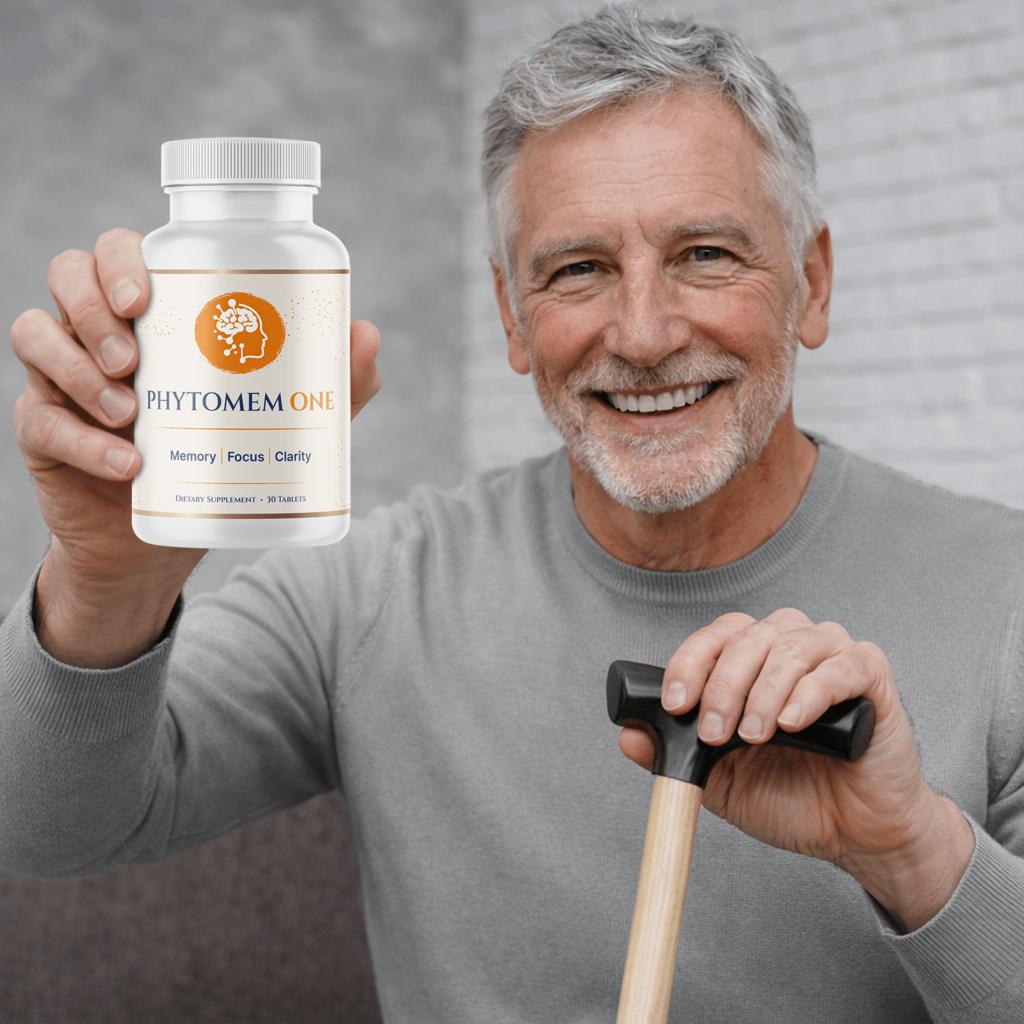
Phytomem One is a dietary supplement marketed toward adults who are concerned about age-related cognitive decline, memory lapses, and mental clarity. It is positioned as a multi-ingredient, daily-use formula designed to support brain health through what the manufacturer describes as a “dual-defense” approach targeting both neuroinflammation and metabolic factors affecting cognition. This article takes a neutral, informational look at the product — what it is, how it claims to work, what the ingredients are, and where honest limitations exist.
—
What Is Phytomem One?
Phytomem One is a 10-ingredient dietary supplement sold exclusively online. It is described by its manufacturer as a “neuro-essential formula” aimed at supporting memory, mental clarity, and cognitive resilience, particularly in adults who may be experiencing the gradual cognitive changes that can come with aging.
The product is distributed through ClickBank, a well-known digital commerce platform. It comes in tablet form and is marketed as non-GMO, stimulant-free, and made from natural ingredients processed in a certified facility that follows USDA National Organic Program handling standards.
It is important to note upfront: Phytomem One is a dietary supplement, not a drug. Its statements have not been evaluated by the U.S. Food and Drug Administration (FDA), and it is not intended to diagnose, treat, cure, or prevent any disease. These are the manufacturer’s own stated disclaimers.
—
How It Is Intended to Work
The manufacturer frames Phytomem One around two conceptual pillars it calls a “dual-defense system”:
1. Reducing neuroinflammation and oxidative stress — The product claims that environmental factors, including microplastic exposure, may contribute to chronic low-level brain inflammation. Several ingredients are selected with the stated goal of countering oxidative damage and supporting healthier neural tissue.
2. Supporting brain glucose metabolism — The second group of ingredients is aimed at what the manufacturer describes as impaired brain insulin sensitivity, sometimes discussed in emerging research circles under informal terms like “Type 3 Diabetes,” a concept that has appeared in scientific literature as a hypothesis linking insulin resistance to cognitive decline. This is not a formally recognized medical diagnosis, and the evidence in humans remains preliminary and actively debated.
Together, these two pillars are intended to create what the product describes as comprehensive, multi-angle brain support. Whether this framework translates meaningfully into real-world cognitive benefit for any individual user is a question that the current body of independent clinical evidence on this specific combination of ingredients does not yet fully answer.
—
Common Ingredients and What Research Says
Below is a neutral summary of each ingredient listed by the manufacturer, alongside what peer-reviewed or publicly available research generally says about them. Claims are presented cautiously, as supplement research is often conducted in laboratory or animal settings and may not always translate directly to human outcomes.
Stranglehold Defense Matrix
Saffron Extract (Crocus sativus L.)
Saffron has been one of the more studied botanical ingredients in cognitive health research. Some clinical trials suggest it may have antioxidant and anti-inflammatory properties, and a few small studies have explored its potential role in mood and memory support. A 2010 study published in Phytotherapy Research found saffron comparable to low-dose donepezil in mild-to-moderate Alzheimer’s patients over a 22-week period — though this was a small trial and far from definitive. Overall, the evidence is promising but limited, and more large-scale human trials are needed.
Fucoxanthin (from Japanese Sea Kelp)
Fucoxanthin is a carotenoid found in brown seaweed. Preliminary research, including some animal studies and early human research, suggests it may have antioxidant and anti-inflammatory properties. The manufacturer references Neural Regeneration Research as a source for claims about neural connection support. While some laboratory research is encouraging, robust human clinical trials on fucoxanthin’s cognitive effects specifically are still limited.
Fucoidan (from Japanese Sea Kelp)
Fucoidan is a sulfated polysaccharide found in various forms of brown seaweed. Early-stage research has examined its potential role in reducing oxidative stress and clearing certain protein aggregates associated with neurodegeneration. Some animal studies show interesting results, but human data remains sparse. The manufacturer’s claim that it “reduces oxidative stress in brain tissue by up to 40%” should be interpreted with caution, as this figure may derive from specific laboratory conditions not easily replicated in a general supplement context.
Oleuropein (Olive Leaf Extract)
Oleuropein is a polyphenol found in olive leaves and extra-virgin olive oil. It has been studied for potential antioxidant, anti-inflammatory, and blood-sugar-stabilizing properties. Some research suggests it may help support healthy blood glucose levels, which is relevant to the metabolic angle of this formula. Evidence is generally considered preliminary in the context of brain health specifically.
—
Brain Fuel Restoration Complex
Berberine HCl
Berberine is one of the more extensively studied natural compounds for metabolic health. Research has shown that it can activate an enzyme called AMPK, which plays a role in cellular energy regulation and glucose metabolism. Some studies suggest berberine may be comparable to low-dose metformin in supporting blood sugar levels, though this comparison should not be overstated. Its direct effect on cognitive function in healthy adults is less well-established. Berberine can also interact with certain medications, which is an important safety consideration.
Ceylon Cinnamon Bark (Cinnamomum verum)
Ceylon cinnamon, the “true” cinnamon variety, is lower in coumarin than the more common Cassia cinnamon and is generally considered safer for daily use. Some research, including studies conducted at the USDA Human Nutrition Research Center referenced by the manufacturer, has explored cinnamon’s potential role in insulin sensitivity. Results have been mixed across studies, and effect sizes are generally modest. It is a reasonable complementary ingredient in a metabolic-support formula.
Corosolic Acid (Banaba Leaf Extract)
Corosolic acid, derived from the Banaba plant, has been studied for its potential glucose-lowering and insulin-sensitizing effects. Some small human trials suggest it may help support healthy blood sugar levels after meals. Its specific effects on brain glucose uptake in humans remain an area requiring further research.
Kudzu Flower Extract
Kudzu (Pueraria lobata) contains isoflavones that have been studied in various contexts including cardiovascular and metabolic health. The manufacturer references research from Sichuan University regarding glucose uptake in brain tissue. While some preliminary findings exist, this is still an emerging area of research and conclusions should be drawn carefully.
—
Neural Amplifier System
Morosil (Sicilian Red Orange Extract)
Morosil is a trademarked extract derived from Moro blood oranges grown in the volcanic soil regions of Sicily. It has been studied, including in some industry-funded trials, for its potential effects on inflammatory markers and metabolic health. Some research suggests it may support healthy weight management and reduce certain inflammatory biomarkers. The manufacturer positions it as enhancing the bioavailability of other formula ingredients, though independent verification of this specific synergistic claim in this combination is not readily available.
Xylitol
Xylitol is a naturally occurring sugar alcohol commonly found in fruits and vegetables and widely used as a low-glycemic sweetener. It does not spike blood sugar in the way that regular sugar does, making it a thoughtful inclusion in a formula designed to support glucose metabolism. It is generally recognized as safe by the FDA at moderate doses. Very high doses of xylitol can cause digestive discomfort in some people. It is also highly toxic to dogs, which is relevant for households with pets.
—
Potential Benefits (Framed Cautiously)
Based on what is publicly known about these individual ingredients, Phytomem One may offer some of the following supportive effects for certain individuals:
These are potential, not guaranteed, outcomes. Results will vary significantly between individuals, and none of these benefits are assured.
—
Possible Drawbacks and Limitations
Balanced evaluation requires honest acknowledgment of where this product may fall short or carry risk:
—
Who Should Not Use It
Phytomem One may not be appropriate for everyone. The following groups should exercise particular caution and consult a licensed healthcare provider before use:
—
Frequently Asked Questions
Q: Is Phytomem One FDA-approved?
A: No. As a dietary supplement, Phytomem One is not subject to FDA approval before going to market. The FDA does regulate supplement manufacturing standards (through Current Good Manufacturing Practice, or cGMP, regulations), but it does not evaluate or approve supplement formulas for efficacy. The manufacturer’s disclaimer on its own website confirms that these statements have not been evaluated by the FDA and that the product is not intended to diagnose, treat, cure, or prevent any disease.
—
Q: How long does it take to notice any effects?
A: Supplement effects, when they occur, are typically gradual. Many cognitive and metabolic supplements are studied over periods of 8 to 16 weeks in clinical trials. Individual results vary based on age, overall health, diet, sleep, and other lifestyle factors. There is no universal timeline, and anyone expecting rapid or dramatic changes may be disappointed. The manufacturer suggests daily consistent use.
—
Q: Can Phytomem One replace medications for memory or blood sugar issues?
A: No. Phytomem One is a dietary supplement, not a pharmaceutical. It should never be used to replace prescribed medications without explicit guidance from a qualified medical professional. If you have concerns about cognitive decline or blood sugar regulation, these are medical issues that warrant a conversation with your doctor, not a supplement as a first or sole response.
—
Q: Where can I find out about pricing and purchasing?
A: Phytomem One is sold exclusively through the manufacturer’s official website. We do not list pricing, packages, or discount information on this page. Please visit the official product website for current purchasing information, return policy details, and the 60-day money-back guarantee terms.
—
Bottom Line
Phytomem One is a 10-ingredient brain support supplement built around two conceptual frameworks: reducing neuroinflammation associated with environmental stressors, and supporting the metabolic pathways through which the brain receives glucose-based fuel. Several of its individual ingredients — most notably berberine, saffron extract, and Ceylon cinnamon — have meaningful amounts of research suggesting potential supportive effects on cognition and metabolism, though evidence is mixed and often preliminary.
The product is not a drug, has not been FDA-evaluated, and carries no guarantee of results. The scientific concepts it draws on — microplastic accumulation in neural tissue and brain insulin resistance — are real and active areas of research, but marketing language around them should be read critically.
For adults who are generally healthy, not on interacting medications, and interested in a multi-ingredient daily supplement to complement a brain-healthy lifestyle, Phytomem One may be worth exploring — ideally with a doctor’s awareness. For anyone with diagnosed health conditions, on prescription medications, or expecting a dramatic treatment effect, it is essential to consult a healthcare professional before starting this or any supplement.
As with all supplements, no product works in isolation. Diet, regular physical activity, quality sleep, social engagement, and mental stimulation remain among the most evidence-supported strategies for maintaining cognitive health across the lifespan.
—
This article is for informational purposes only and does not constitute medical advice. Always consult a qualified healthcare provider before starting any new supplement.
—
Full product details and current information are available on the official website.
Visit the official Phytomem One website
We may earn a commission from this link, at no extra cost to you.
Disclosure: This article contains affiliate links. If you buy through them we may earn a commission at no extra cost to you — this does not influence our assessment. We are an independent publisher, not the manufacturer.
Who this review is for
Written in English for readers in United States, United Kingdom, Canada, Australia, New Zealand and Ireland.
The order page is operated by ClickBank. The price, the currency it is charged in and the refund terms that apply are the ones shown on that page at checkout — check them there before ordering.