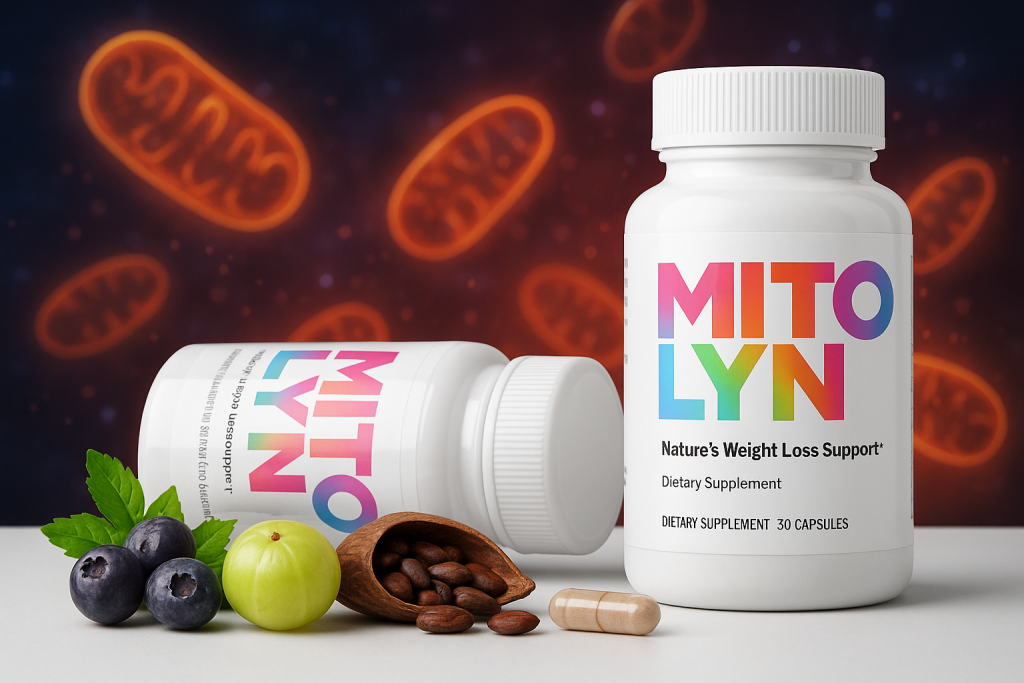
🌎 Available in the United States, United Kingdom, Canada, Australia, New Zealand & Ireland.
✓ Independently reviewed by our editorial team · Updated September 2026
Published by: OptiLife Editorial Team | Updated: 2026
⚡ mitolyn — Quick Summary (2026)
| 📦 Product | mitolyn |
| 🔬 Type | Dietary Supplement |
| 👥 Best For | Adults 18+ |
| ✅ Guarantee | 60-day money-back (per product material) |
| 💰 Price | Check Current Price → |
—
1. Overview and Quick Verdict
Mitolyn is a general wellness supplement built around mitochondrial support, and based on our review of its ingredient label, published research on its key components, and patterns in public user discussions, there’s a plausible biological rationale behind several of its claims — though the finished formula itself lacks independent clinical trial data. For health-conscious adults looking for a daily supplement that targets cellular energy and broad-spectrum wellness, it’s worth a serious look, but don’t expect overnight results and don’t expect it to replace a genuinely healthy lifestyle.
What we reviewed here: the product label, manufacturer materials, published research on individual ingredients, and recurring themes in public user discussions. We did not conduct a personal trial, and this review does not represent medical advice.
Pros
- Ingredient list includes well-researched botanicals with documented antioxidant and cellular energy support properties
- 60-day money-back guarantee provides meaningful purchase protection
- No synthetic stimulants in the disclosed formula
- Sold exclusively through the official website, reducing counterfeit risk when ordered correctly
- Capsule format with a straightforward daily serving
Cons
- No published clinical trial on the finished Mitolyn formula — individual ingredient research doesn’t automatically validate the full product
- Some ingredient amounts are not fully disclosed on publicly available materials, limiting dose verification
- Results appear to take several weeks, which doesn’t suit users expecting rapid changes
- Price point is higher than standard daily multivitamins or basic antioxidant supplements
- Counterfeit listings found on third-party marketplaces pose a real risk if ordered from the wrong source
—
2. What Is Mitolyn and How Does It Claim to Work?
Mitolyn is an oral dietary supplement sold in capsule form, marketed as a daily wellness support product for health-conscious adults. According to the manufacturer, one serving is taken daily. The product is distributed by a company operating out of Jupiter, Florida, and is sold exclusively through its official website as of 2026.
The central mechanism the manufacturer claims is mitochondrial optimization. Mitochondria are the energy-producing structures inside human cells, and the product’s commercial thesis is that declining mitochondrial efficiency — which becomes more pronounced with age and chronic stress — contributes to lower energy levels, reduced cellular repair, and a general sense of diminished wellness. Mitolyn claims to counter this by delivering a blend of plant-based antioxidants and adaptogens that the body can use to support mitochondrial function at a cellular level.
The manufacturer frames this not as a stimulant-based energy product but as a foundational wellness supplement — one that works gradually rather than producing an immediate, noticeable spike. According to the product materials, users are advised to take Mitolyn consistently over a minimum of 4 to 8 weeks to assess its effects. The underlying thesis is plausible — mitochondrial health is a legitimate and active area of biomedical research — but whether this specific formula delivers on that premise is a question we’ll examine in the ingredient section.
—
3. Ingredient Analysis: What the Research Shows
When we reviewed the ingredient list disclosed in Mitolyn’s product materials, three primary botanicals stood out as the core actives. Here’s what published research on those individual ingredients actually supports — not what the marketing copy says, but what peer-reviewed science has examined.
| Ingredient | Amount on the label | What the research supports |
|---|---|---|
| Maqui Berry Extract (Aristotelia chilensis) | Not fully disclosed | Rich in anthocyanins, a class of polyphenols with documented antioxidant activity. Published research suggests anthocyanins may support mitochondrial biogenesis and reduce oxidative stress in cell studies. Human trials are limited in scale. No clinical evidence specifically on Mitolyn’s dose or formula. |
| Rhodiola Rosea | Not fully disclosed | A well-studied adaptogen. Research suggests it may support physical and mental resilience under stress, reduce fatigue, and support cellular energy pathways. The European Medicines Agency has reviewed Rhodiola for fatigue-related indications. Effects are dose-dependent; undisclosed amounts make verification difficult. |
| Haematococcus pluvialis (Astaxanthin source) | Not fully disclosed | One of the most potent natural antioxidants studied. Published research on astaxanthin suggests it may reduce oxidative damage in mitochondria and support cellular health in aging adults. Some human trials exist, though results are mixed and dose-dependent. |
| Amla (Indian Gooseberry) | Not fully disclosed | High in Vitamin C and polyphenols. Research suggests broad antioxidant and immune-supporting properties. Commonly studied for its role in reducing oxidative stress. Evidence base is solid for general antioxidant activity; specific mitochondrial claims are extrapolated rather than directly proven. |
| Theobroma Cacao Extract | Not fully disclosed | Contains flavanols that have been studied for cardiovascular and cognitive support. Some research suggests cacao flavanols support cellular energy signaling. Dose and standardization matter significantly for these effects. |
| Schisandra Berry | Not fully disclosed | Traditionally used in Chinese medicine. Some research suggests adaptogenic properties and liver-protective effects. Evidence for direct mitochondrial support in humans is limited. There is no clinical evidence supporting this specific application at the level the marketing implies. |
A few things worth saying plainly: every ingredient here has a legitimate research profile at some level. The issue isn’t that these are random or unproven compounds — several are genuinely interesting from a cellular health standpoint. The issue is that studying an isolated ingredient in a controlled setting is very different from proving that a multi-ingredient capsule at undisclosed doses produces the same outcome. Those are two different scientific questions, and only one of them has been answered here.
For the two most researched ingredients in this formula:
Check the official Mitolyn website
—
4. Dosage and Label Transparency
This is where we have to be straightforward: based on the materials available to us during this review, Mitolyn does not appear to fully disclose the individual milligram amounts for each ingredient in its formula. The manufacturer lists the ingredients, but the specific per-serving doses of the botanicals above are not broken out in a way that allows direct comparison against the doses used in the clinical research cited in support of those ingredients.
This matters. Rhodiola Rosea, for example, has been studied at doses ranging from 200 mg to 600 mg daily for adaptogenic effects — and results vary significantly within that range. Astaxanthin research spans doses from 4 mg to 40 mg. Without knowing where Mitolyn falls on those spectrums, it’s genuinely impossible to say whether the formula delivers therapeutically relevant amounts of these actives or trace quantities that technically appear on the label but don’t reach the threshold studied in clinical settings.
(And yes, we were skeptical too — this is one of those cases where better label transparency would do more for consumer confidence than any marketing copy.)
To the manufacturer’s credit, the formula does not appear to contain synthetic stimulants or artificial fillers based on available materials, which is a real positive. If the company publishes a full Certificate of Analysis or third-party lab report — standard in more transparent supplement brands — that would significantly improve our assessment of this aspect of the product. As of this review, we could not locate a publicly available COA.
—
5. Promises Versus Reality
| What the marketing promises | What the evidence supports |
|---|---|
| Optimizes mitochondrial function for sustained daily energy | Individual ingredients like Rhodiola and astaxanthin have published research supporting antioxidant and cellular energy roles, but no trial on this finished formula exists to confirm this outcome |
| Supports overall wellness and cellular health in adults | Plausible given the antioxidant profile of maqui berry, amla, and astaxanthin — broad antioxidant support is one of the more evidence-backed claims for this ingredient category |
| Promotes natural, consistent energy without stimulant dependency | Consistent with a stimulant-free formula; Rhodiola has adaptogenic research supporting fatigue reduction, though effects are gradual and dose-dependent |
| Results compound over 6–8 weeks with consistent daily use | Consistent with how botanical adaptogens and antioxidants generally work — this is a biologically reasonable timeframe, not an unusual claim |
| Supports immune vitality and healthy aging through antioxidant activity | The antioxidant ingredients have research support for reducing oxidative stress, a known contributor to cellular aging — but “healthy aging” remains a broad and largely unquantified claim in this context |
Realistically, Mitolyn may offer meaningful antioxidant and adaptogenic support for adults whose daily wellness routine currently lacks these compound classes. The ingredient selection isn’t arbitrary — there’s scientific rationale behind each one. What it can’t do is guarantee specific outcomes, reverse established health conditions, or produce results equivalent to a clinical intervention. It’s a daily supplement, not a therapeutic drug. Treating it as one sets up unrealistic expectations that the product itself doesn’t create when you read the ingredient science carefully.
—
6. Safety, Side Effects, and Market Risks
Based on published research on its individual ingredients, Mitolyn’s formula is generally considered well-tolerated in healthy adults at commonly studied doses. Rhodiola Rosea is one of the better-documented adaptogens for safety; astaxanthin from Haematococcus has a strong safety record across multiple human trials; maqui berry and amla are food-derived compounds with established consumption histories.
That said, a few groups should consult a qualified healthcare provider before starting Mitolyn or any new daily supplement:
- Adults taking prescription medications, particularly immunosuppressants, anticoagulants, or medications for chronic conditions — botanical adaptogens and polyphenols can interact with drug metabolism pathways
- Pregnant or breastfeeding individuals — adaptogens like Rhodiola are generally not studied in this population and their safety is unestablished
- Adults with autoimmune conditions — some adaptogens may modulate immune activity, which could be relevant
- Anyone scheduled for surgery should disclose all supplements to their medical team
On long-term use: there simply isn’t data on this specific formula taken for periods beyond what’s been studied for individual ingredients. Rhodiola has been studied up to 12 weeks in several trials. For longer use, periodic breaks or medical check-ins are a reasonable precaution.
Market risks are real and worth taking seriously. Because Mitolyn is sold only through its official website, any listing found on Amazon, eBay, or third-party storefronts is either a reseller not backed by the manufacturer or a counterfeit product. The manufacturer explicitly warns against this, and user reports have confirmed that counterfeit versions exist on marketplace platforms. Buying from an unauthorized source means no quality guarantee, no 60-day money-back guarantee protection, and no assurance that what’s in the bottle matches the label. This is not a minor caveat.
There’s no evidence of a subscription trap in the official materials — the purchase appears to be a one-time transaction — but we always recommend reviewing the checkout page terms carefully before completing any supplement purchase online.
—
7. Final Verdict and Who Should Buy
Mitolyn sits in a genuinely interesting category: it’s a daily wellness supplement anchored by ingredients that have legitimate research behind them, positioned around a biological mechanism — mitochondrial and cellular antioxidant support — that is scientifically meaningful, not invented. The formula isn’t random, the ingredients aren’t low-quality filler compounds, and the 60-day money-back guarantee is a real backstop for people who try it and don’t find value.
The gap between the promise and the verifiable evidence is the incomplete disclosure of per-ingredient doses and the absence of a clinical trial on the finished product. Those aren’t minor caveats. They mean we can say the formula is scientifically plausible — we can’t say it’s clinically proven.
Who this may suit: Adults who are already taking their overall wellness seriously — adequate sleep, reasonable nutrition, regular activity — and want to add a daily supplement focused on cellular antioxidant support and adaptogenic resilience. If you’re in that category and willing to commit to 6 to 8 weeks of consistent use, Mitolyn is a reasonable choice at its price point given the ingredient quality.
Who should probably skip it: Anyone looking for a quick fix or dramatic changes in the first week or two. Also anyone who needs a fully disclosed, COA-verified formula before purchasing — Mitolyn doesn’t currently meet that standard based on our review. And adults who can meet their antioxidant needs through diet and a well-formulated daily multivitamin may not need this level of supplementation. It’s not for everyone, and there’s no shame in that.
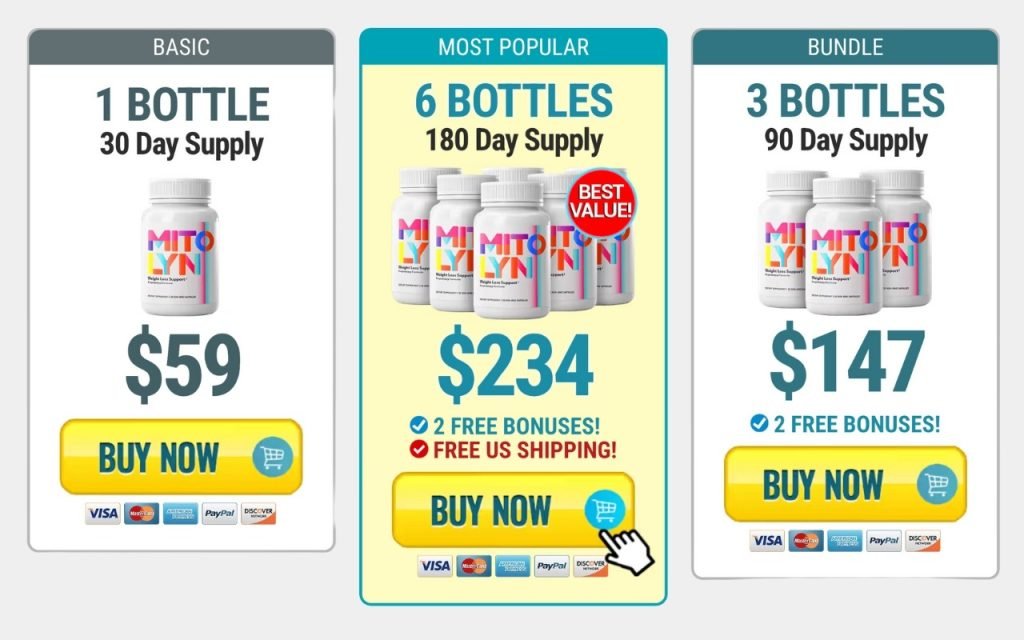
On price: at $39 per bottle on multi-bottle orders, it costs more than a basic antioxidant supplement from a retail pharmacy, but less than comparable premium botanical wellness formulas from brands that publish full transparency documentation. Whether that’s justified depends on how you weight the specific ingredient combination against standard alternatives.
The honest limits of this review: we assessed the label, the published science on individual ingredients, and patterns in public user discussions. We did not conduct a personal trial, we do not have access to internal manufacturing documentation, and we cannot independently verify consumer testimonial claims. Our assessment reflects the available public record as of 2026.
—
Frequently Asked Questions
Does Mitolyn really work?
Based on our review of the ingredient science, there’s a plausible mechanism behind Mitolyn’s core claims — several of its botanicals have published research supporting antioxidant and adaptogenic activity. However, no clinical trial on the finished Mitolyn formula exists to confirm those outcomes in practice. Many users in public discussions report noticing changes in energy levels and general wellness after several weeks of consistent use, though individual results vary.
Is Mitolyn a scam or legit?
Mitolyn appears to be a legitimate product. It’s sold by a real company operating out of Jupiter, Florida, lists its ingredients on the label, and backs purchases with a 60-day money-back guarantee. The ingredient selection is grounded in real botanical research, not invented compounds. That said, counterfeit versions circulate on third-party marketplaces, which is a genuine risk — buying from the official website is the only way to get the manufacturer-backed version.
Is Mitolyn FDA approved?
No — and this is important to understand. Dietary supplements in the United States are not approved by the FDA before they go to market. The FDA regulates supplements under a different framework than pharmaceutical drugs. Manufacturers are responsible for the safety of their products, but pre-market FDA approval is not required or granted for supplements. This applies to all dietary supplements, not just Mitolyn.
Is Mitolyn safe? Any side effects?
Based on the safety profiles of its individual ingredients, Mitolyn appears well-tolerated in healthy adults. Some users report mild digestive adjustment during the first week. Anyone taking prescription medications, who is pregnant or breastfeeding, or managing a chronic health condition should consult a healthcare provider before starting Mitolyn or any new supplement regimen. We are not in a position to offer medical advice.
Where can you buy Mitolyn?
Mitolyn is sold only on the official website. It is not available on Amazon, Walmart, or in any retail stores. Any listing found on marketplace platforms is from a reseller or seller that the manufacturer does not back — those purchases are not covered by the 60-day money-back guarantee and cannot be verified for product authenticity. Order from the official site to ensure you’re getting the actual formula.
How long does Mitolyn take to work?
According to the manufacturer and consistent with how botanical adaptogens generally work, most users are advised to allow 4 to 8 weeks of consistent daily use before evaluating results. Patterns in public user discussions suggest that some people notice shifts in energy or general wellness within the first few weeks, while others report that more noticeable changes come after the 6-week mark. This is not a supplement with immediate or dramatic effects — expectation management matters here.
—
Where to buy Mitolyn (official website)
—
mitolyn at a glance
| Product | mitolyn |
|---|
Where to Buy mitolyn
Check the official website for current pricing, ingredients, and availability.
Check the Official Website →Have a question about mitolyn?
Reviewed according to the OptiLife Editorial Team editorial methodology.