What Is Malic Acid (from strawberries)?
Malic acid is a naturally occurring organic acid classified as an alpha-hydroxy acid (AHA). It is found widely throughout the plant kingdom, with particularly notable concentrations in apples, cherries, grapes, and strawberries. When a supplement label specifies “malic acid from strawberries,” it indicates that the compound has been derived or extracted from strawberry fruit, as opposed to being synthesized through a purely chemical industrial process.
Chemically, malic acid (C4H6O5) plays a central role in cellular energy metabolism. In everyday terms, it is an intermediate in the Krebs cycle, also known as the citric acid cycle — the biochemical process by which cells generate usable energy from carbohydrates, fats, and proteins. It exists naturally in two mirror-image molecular forms (L-malic acid and D-malic acid), with the L-form being the biologically active version found in living organisms, including strawberries.
As a supplement ingredient, malic acid is used in various formulations targeting energy support, exercise performance, and oral health. The strawberry-sourced designation is generally considered a marketing or sourcing distinction rather than a chemically distinct compound from malic acid obtained from other natural sources.
How Malic Acid (from strawberries) Works
Malic acid’s proposed mechanisms of action are rooted in its well-established role in human biochemistry. As a component of the Krebs cycle, malic acid participates in a series of chemical reactions within the mitochondria — the energy-producing structures inside cells. By contributing to this cycle, malic acid may help facilitate the conversion of nutrients into adenosine triphosphate (ATP), the primary energy currency of the body.
Additionally, malic acid has been studied for its role in reducing the accumulation of ammonia and lactic acid in muscle tissue during physical exertion. Some researchers suggest it may help the body clear these metabolic byproducts more efficiently, potentially supporting endurance and reducing muscle fatigue. This is partly why malic acid is frequently combined with citrulline in sports nutrition products.
In oral and skin care contexts, malic acid functions as a mild exfoliant and pH-adjusting agent. It may also stimulate saliva production in the mouth, which has implications for dry mouth and oral hygiene.
Evidence & Research
The overall level of evidence for supplemental malic acid in humans is mixed to limited, and consumers should interpret health claims with appropriate caution.
- Energy and fatigue: Some early research, including a small study in individuals with fibromyalgia and chronic fatigue syndrome, suggested that a combination of malic acid and magnesium may support reductions in pain and fatigue. However, these studies involved small sample sizes and combined formulations, making it difficult to attribute effects specifically to malic acid alone.
- Exercise performance: Research on citrulline malate (a compound combining citrulline and malic acid) has shown more promising results for exercise performance and muscle recovery. However, this evidence applies to the combined compound rather than malic acid in isolation, and findings remain mixed across study populations.
- Oral health: Preliminary research suggests malic acid may help stimulate saliva flow, potentially benefiting individuals with dry mouth (xerostomia). Evidence in this area is early-stage and not conclusive.
- Skin health: As an AHA, malic acid has a recognized role in dermatology for exfoliation, but most of this evidence pertains to topical application rather than oral supplementation.
Large-scale, well-controlled human clinical trials specifically examining strawberry-derived malic acid as a standalone supplement ingredient are currently lacking.
Typical Dosage
Dosages of malic acid used in research and seen on supplement labels vary considerably depending on the intended application. General ranges include:
- General supplementation: Approximately 1,200 mg to 2,800 mg per day, often divided into two or three doses.
- Combined with citrulline (citrulline malate): Studies have commonly used 6,000 mg to 8,000 mg of the citrulline malate compound, which contains roughly 1,700 mg to 2,300 mg of malic acid depending on the ratio used.
- Fibromyalgia-focused research: Earlier studies used approximately 1,200 mg to 2,400 mg of malic acid alongside magnesium.
It is important to note that optimal dosages have not been definitively established, and individual needs may vary. Consulting a qualified healthcare provider before beginning supplementation is advisable.
Potential Benefits
Based on available research, malic acid may offer the following potential benefits, though evidence varies in strength:
- May support cellular energy production through its role in the Krebs cycle
- Research suggests it may help reduce the sensation of muscle fatigue during exercise, particularly when combined with citrulline
- Studies indicate a possible role in supporting individuals experiencing fatigue associated with fibromyalgia, though evidence is preliminary
- May support saliva production, which could benefit oral comfort and hygiene in individuals with dry mouth
- As an AHA, it may contribute to mild skin-smoothing effects when included in topical or ingestible formulations targeting skin health
Side Effects & Safety
Malic acid is generally considered safe for most adults when consumed in amounts typically found in food or in commonly used supplement doses. However, some individuals may experience:
- Gastrointestinal discomfort, including nausea, stomach upset, or diarrhea, particularly at higher doses
- Tooth enamel erosion with prolonged direct oral contact, as malic acid is acidic in nature
- Mild headache or dizziness in sensitive individuals
When used as a food additive or flavoring agent, malic acid is classified as Generally Recognized as Safe (GRAS) by the U.S. Food and Drug Administration (FDA). Long-term safety data for high-dose supplementation specifically remains limited.
Who Should Avoid It
Certain populations should exercise caution or consult a healthcare professional before using malic acid supplements:
- Pregnant and breastfeeding individuals: Sufficient safety data for supplemental doses during pregnancy or lactation is not available; caution is warranted.
- Individuals with kidney disorders: Those with impaired kidney function may have difficulty processing organic acids and should seek medical guidance before supplementing.
- People with acid reflux or GERD: Malic acid’s acidity may worsen symptoms of gastroesophageal reflux disease or similar conditions.
- Individuals on medications affecting acid-base balance: Those taking certain diuretics, antacids, or medications that alter the body’s pH balance should consult a physician, as malic acid could theoretically interact with these agents.
- Children: Safety and appropriate dosing for pediatric populations have not been well studied; supplementation in children is not generally recommended without medical supervision.
Scientific References
Peer-reviewed studies on Malic Acid (from strawberries) are indexed on PubMed (National Library of Medicine).
Supplements Containing Malic Acid (from strawberries)
You can find Malic Acid (from strawberries) in these products we have reviewed:
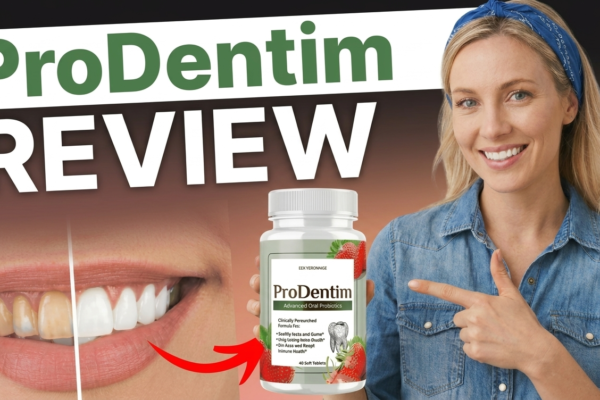
- Prodentim Review 2026: Honest Verdict on This Oral Probiotic
- Prodentim Review 2026: Honest Verdict on This Oral Probiotic
- Prodentim Review 2026: Honest Verdict on This Oral Probiotic
- Prodentim Review 2026: Honest Verdict on This Oral Probiotic
- Prodentim Review 2026: Honest Verdict on This Oral Probiotic
- Prodentim Review 2026: Honest Verdict on This Oral Probiotic
- Prodentim Review 2026: Honest Verdict on This Oral Probiotic
- Prodentim Review 2026: Honest Verdict on This Oral Probiotic
- Prodentim Review 2026: Honest Verdict After Testing
- Prodentim Review 2026: Honest Verdict on This Oral Health Supplement
- Prodentim Review 2026: Honest Verdict Before You Buy
- Prodentim Review 2026: Honest Verdict on This Oral Health Supplement
- Prodentim Review 2026: Honest Verdict on This Oral Probiotic
- Prodentim Review 2026: Honest Verdict on This Oral Probiotic
- Prodentim Review 2026: Honest Verdict on This Oral Probiotic
- Prodentim Review 2026: Honest Verdict on This Oral Probiotic
🕸️ Explore Our Research Web
- Found in: Prodentim Review 2026: Honest Verdict on This Oral Probiotic
- Found in: Prodentim Review 2026: Honest Verdict on This Oral Health Probiotic
- Found in: Prodentim Review 2026: Honest Verdict on This Oral Probiotic
- Found in: Prodentim Review 2026: Honest Verdict on This Oral Probiotic
- Found in: Prodentim Review 2026: Honest Verdict on This Oral Probiotic
- Ingredient: Panax Ginseng: Benefits, Dosage, Evidence & Side Effects (2026)
- Ingredient: Tongkat Ali: Benefits, Dosage, Evidence & Side Effects (2026)
- Ingredient: Boron: Benefits, Dosage, Evidence & Side Effects (2026)