What Is Saw Palmetto?
Saw palmetto (Serenoa repens) is a small palm tree native to the southeastern United States. Its berries have been used for centuries in traditional medicine, and today saw palmetto is one of the most commonly used herbal supplements among men concerned about prostate health. Extracts from the berries are available in capsule, tablet, and liquid form, and research has investigated whether these extracts may support urinary function and prostate wellness in aging men.
How Saw Palmetto May Work
The leading theory is that saw palmetto may inhibit the enzyme 5-alpha-reductase, which converts testosterone into dihydrotestosterone (DHT). Elevated DHT levels are associated with prostate tissue growth. By potentially slowing this conversion, saw palmetto may help limit the hormonal signals thought to contribute to benign prostatic hyperplasia (BPH), a noncancerous enlargement of the prostate gland. The extract also appears to have mild anti-inflammatory properties, which researchers suggest could play a secondary role in its effects on prostate tissue.
What Research Suggests
The scientific evidence on saw palmetto is mixed, and it is important to interpret findings honestly rather than overstate them.
- Several smaller studies and meta-analyses suggest that saw palmetto may modestly improve lower urinary tract symptoms associated with BPH, such as frequent nighttime urination and weak urine flow.
- Larger, well-designed clinical trials — including the STEP and CAMUS trials funded by the National Institutes of Health — found that saw palmetto at standard and even higher doses did not outperform placebo in reducing BPH symptoms.
- Some researchers note that variation in product quality and extract standardization may explain inconsistent results across studies.
- Saw palmetto does not appear to reduce prostate-specific antigen (PSA) levels, which is clinically important because it means it is unlikely to mask prostate cancer detection on routine screening.
In short, some men report noticeable symptom relief, while controlled research has not consistently confirmed those benefits. Discussing expectations with a healthcare provider is the most responsible approach.
Common Reasons Men Consider Saw Palmetto
- Managing mild to moderate urinary symptoms linked to an enlarged prostate
- Seeking a complementary option alongside conventional medical treatment
- General interest in supporting prostate wellness as part of healthy aging
- Preference for botanical supplements over prescription medications
Safety and Side Effects
Saw palmetto is generally considered well tolerated at typical doses. Reported side effects are usually mild and may include:
- Digestive discomfort, nausea, or stomach upset, particularly when taken without food
- Headache or dizziness in some individuals
- Rare reports of decreased libido
Because saw palmetto may have mild blood-thinning properties, men taking anticoagulant medications such as warfarin or aspirin should consult a physician before use. It is also strongly recommended that men rule out other causes of urinary symptoms — including prostate cancer — with a healthcare provider before self-treating with any supplement.
Complementary Foods That May Support Prostate Health
No single supplement works in isolation. Research suggests that certain dietary patterns and foods may help support prostate health alongside any supplement regimen.
- Tomatoes and cooked tomato products: Rich in lycopene, an antioxidant that research associates with prostate health benefits
- Fatty fish (salmon, sardines, mackerel): Provide omega-3 fatty acids, which may help reduce inflammation
- Cruciferous vegetables (broccoli, cauliflower, Brussels sprouts): Contain sulforaphane, a compound studied for its potential protective effects
- Pumpkin seeds: Traditionally used to support urinary tract function; contain zinc, a mineral concentrated in prostate tissue
- Green tea: Contains polyphenols that research suggests may have anti-inflammatory properties relevant to prostate wellness
- Soy foods (tofu, edamame, tempeh): Provide isoflavones, which some studies link to prostate health support
- Berries and pomegranate: High in antioxidants that may help reduce oxidative stress in prostate tissue
Lifestyle Habits That May Benefit Prostate Wellness
Dietary supplements function best as part of a broader healthy lifestyle. The following habits are consistently associated with better prostate outcomes and overall male health.
- Stay physically active: Regular moderate exercise may help reduce BPH symptoms and support healthy hormone levels
- Maintain a healthy weight: Obesity is associated with a higher risk of prostate-related problems; weight management may reduce pressure on the bladder and prostate
- Limit alcohol and caffeine: Both can irritate the bladder and worsen urinary symptoms in men with BPH
- Stay well hydrated during the day: Spread fluid intake across daytime hours and reduce intake in the evening to minimize nighttime urination
- Schedule regular screenings: Annual prostate health discussions with a physician, including PSA testing when appropriate, remain essential for early detection
- Reduce chronic stress: Stress may exacerbate inflammation; practices such as mindfulness, adequate sleep, and moderate exercise may help
Key Takeaways
Saw palmetto has a long history of use for prostate-related urinary concerns, and some research suggests it may offer modest benefits for certain men. However, the clinical evidence remains inconsistent, and it should not be viewed as a replacement for medical evaluation or treatment. Men experiencing urinary symptoms should always consult a healthcare provider to identify the underlying cause. When used responsibly as part of a balanced diet and healthy lifestyle, saw palmetto may be one reasonable complementary option to discuss with your physician.
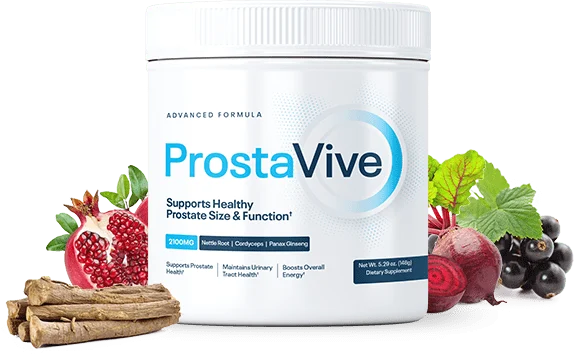
Consistency beats any single food or product. If you’re also considering a supplement to complement these habits, here’s our independent take: ProstaVive Review 2026: Honest Verdict From an Expert.
🕸️ Explore Our Research Web
- Related review: ProstaVive Review 2026: Honest Verdict on This Prostate Formula
- Related review: Prodentim Review 2026: Honest Verdict After Testing It
- Related review: Gluco6 Review 2026: Complaints, Results & Expert Verdict
- Related review: Audifort Review 2026: Honest Verdict on This Hearing Supplement
- Ingredient: B. lactis BL-04®: Benefits, Dosage, Evidence & Side Effects (2026)
- Ingredient: Vitamin B Complex (B1, B6, B12): Benefits, Dosage, Evidence & Side Effects (2026)
- Ingredient: Tongkat Ali[study]: Benefits, Dosage, Evidence & Side Effects (2026)