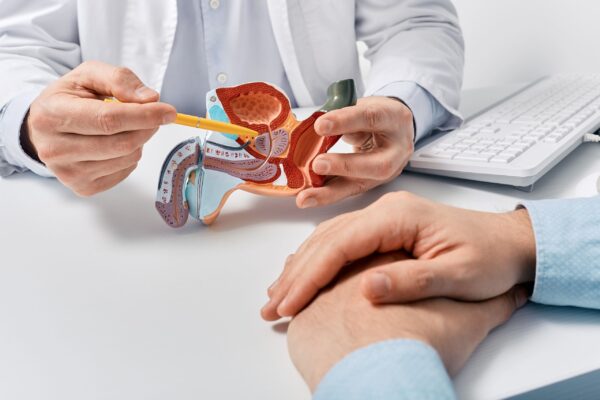
Understanding Frequent Nighttime Urination
Waking up one or more times each night to urinate is called nocturia. In men, one common contributing factor is the prostate gland. As men age, the prostate often enlarges — a condition called benign prostatic hyperplasia (BPH) — which can press on the urethra and disrupt normal bladder function. While nocturia has many possible causes, including diabetes, heart disease, and certain medications, prostate health is frequently part of the conversation for men over 50.
Natural approaches will not replace medical evaluation or prescribed treatment. However, certain lifestyle habits and dietary choices may support urinary comfort and overall prostate health. Always speak with a healthcare provider before starting any new supplement or making significant changes to your routine.
Dietary Choices That May Support Prostate Health
Research suggests that what you eat may play a meaningful role in prostate health and urinary symptoms. The following foods appear in studies most consistently:
- Tomatoes and cooked tomato products: Tomatoes contain lycopene, an antioxidant that research suggests may be associated with lower rates of prostate-related issues. Cooked tomatoes, such as tomato sauce or paste, appear to provide lycopene in a more bioavailable form than raw tomatoes.
- Cruciferous vegetables: Broccoli, cauliflower, Brussels sprouts, and cabbage contain compounds called glucosinolates. Some research suggests these compounds may support cellular health in the prostate.
- Pumpkin seeds: Rich in zinc and plant-based fatty acids, pumpkin seeds have a long history of use in traditional medicine for urinary and prostate support. Some small studies suggest they may help reduce mild urinary symptoms.
- Fatty fish: Salmon, mackerel, and sardines provide omega-3 fatty acids, which have well-documented anti-inflammatory properties. Chronic low-grade inflammation is thought to play a role in prostate enlargement.
- Green tea: Contains polyphenols called catechins. Early research suggests green tea may have a modest protective effect on prostate tissue, though evidence in humans remains limited.
- Berries: Blueberries, strawberries, and raspberries are rich in antioxidants that may help reduce oxidative stress, which some researchers link to prostate cell changes over time.
Foods and Drinks to Limit
Certain dietary habits are consistently associated with worsened urinary symptoms in men with prostate concerns:
- Alcohol: Even moderate alcohol consumption can irritate the bladder and act as a diuretic, increasing nighttime urination. Reducing alcohol, particularly in the evening, is one of the most straightforward steps a man can take.
- Caffeine: Coffee, tea, energy drinks, and some sodas stimulate the bladder. Limiting caffeine after early afternoon may noticeably reduce nighttime urgency for some men.
- Spicy foods: Hot peppers and heavily spiced meals may irritate the bladder lining in some individuals, worsening urgency and frequency.
- High-sodium foods: Excess sodium causes the body to retain fluid during the day, which the kidneys then process at night. Reducing processed and salty foods may help shift more urination to daytime hours.
- Refined sugars and processed carbohydrates: High sugar intake is linked to inflammation, which some researchers suggest may negatively influence prostate health over time.
Lifestyle Habits Worth Considering
Beyond diet, daily habits significantly influence how well the bladder and prostate function at night.
- Timed fluid intake: Drinking the majority of your daily fluids earlier in the day and stopping large fluid intake two to three hours before bed is a practical strategy that many urologists recommend. This does not mean dehydrating yourself — adequate hydration during the day remains important.
- Regular physical activity: Studies suggest that men who engage in moderate aerobic exercise regularly — such as brisk walking for 30 minutes most days — may experience fewer lower urinary tract symptoms. Exercise also helps maintain a healthy weight, which is associated with better prostate health outcomes.
- Maintaining a healthy weight: Excess body fat, particularly around the abdomen, may contribute to hormonal imbalances and inflammation that can worsen prostate symptoms. Weight management through diet and exercise may offer meaningful benefit.
- Pelvic floor exercises: Kegel exercises are not only for women. Strengthening pelvic floor muscles may help men improve bladder control and reduce urgency. Research suggests consistent practice over several weeks can produce noticeable results.
- Managing stress: Chronic stress may worsen urinary symptoms through its effects on the nervous system and inflammation pathways. Practices such as deep breathing, meditation, or yoga may support overall wellbeing.
- Elevating the legs in the evening: For men whose nocturia is related to fluid redistribution from swelling in the legs, elevating the legs for one to two hours before bedtime may help the body reabsorb that fluid earlier, reducing nighttime trips to the bathroom.
Commonly Studied Supplements
Several supplements have been studied in the context of prostate health and urinary symptoms. Evidence varies considerably in quality, and none should be viewed as a treatment.
- Saw palmetto: One of the most widely used botanicals for urinary symptoms associated with BPH. Results from clinical trials are mixed; some men report modest symptom improvement, while large, well-controlled studies show limited benefit over placebo.
- Beta-sitosterol: A plant sterol found in many foods and supplements. Some research suggests it may support urinary flow and reduce residual bladder volume in men with mild BPH symptoms.
- Pygeum africanum: Bark extract from an African tree used in European herbal medicine. A review of trials suggests it may help reduce nocturia and improve urinary symptoms modestly.
- Zinc: The prostate has the highest zinc concentration of any organ in the body. Some researchers suggest that zinc supplementation may support prostate tissue health, though evidence from human trials is not yet conclusive.
When to See a Doctor
Natural approaches may offer modest support, but frequent nighttime urination warrants medical attention. A healthcare provider can rule out serious underlying conditions, assess prostate size, and discuss all available options — including medications or minimally invasive procedures — that have stronger evidence behind them. Keeping a simple diary of urination times and fluid intake before your appointment can help your provider give you more targeted guidance.
Consistency beats any single food or product. If you’re also considering a supplement to complement these habits, here’s our independent take: ProstaVive Review 2026: Honest Verdict From an Expert.
🕸️ Explore Our Research Web
- Related review: CitrusBurn Review 2026: Complaints, Results & Expert Verdict
- Related review: Buy Gluco6 in 2026 — Honest Review & Real Verdict
- Related review: Where to Buy VisiFlora: Honest Review & 2026 Verdict
- Related review: Prodentim Review 2026: Honest Verdict After Testing It
- Ingredient: Spanish Red Apple Vinegar: Benefits, Dosage, Evidence & Side Effects (2026)
- Ingredient: Lycopene[study]: Benefits, Dosage, Evidence & Side Effects (2026)
- Ingredient: Banaba Leaf Extract (Corosolic Acid): Benefits, Dosage, Evidence & Side Effects (2026)