What Is Fenugreek?
Fenugreek (Trigonella foenum-graecum) is a plant in the Fabaceae (legume) family that has been cultivated for thousands of years across the Mediterranean, Middle East, and South Asia. The plant produces small, golden-brown seeds that carry a distinctive maple-like aroma and a mildly bitter taste. These seeds are the primary part of the plant used in dietary supplements, though the leaves are also consumed as a culinary herb in various cuisines.
Traditionally, fenugreek has been used in Ayurvedic and traditional Chinese medicine for purposes ranging from digestive support to reproductive health. Today, it is widely available as a standardized seed extract, powder, or capsule form, often standardized to its active compounds, particularly steroidal saponins known as furostanolic saponins.
How Fenugreek Works
Fenugreek contains several bioactive compounds that researchers believe contribute to its observed effects. The most studied include:
- Furostanolic saponins: These steroidal compounds are thought to influence hormone-related pathways. They may inhibit enzymes involved in converting testosterone to estrogen, or otherwise modulate androgen activity, though the precise mechanism in humans remains under investigation.
- 4-hydroxyisoleucine: A unique amino acid found in fenugreek seeds that appears to influence insulin secretion by acting directly on pancreatic beta cells, potentially improving insulin sensitivity and glucose metabolism.
- Soluble fiber (galactomannans): These polysaccharides may slow the absorption of sugars in the gastrointestinal tract, contributing to more stable postprandial blood glucose levels.
- Diosgenin: A plant-based steroid compound sometimes discussed in relation to hormonal pathways, though its direct conversion to human hormones does not occur in the body.
The overall mechanism is multifactorial and not yet fully characterized. Effects appear to vary depending on the extract type, standardization, dose, and individual biology.
Evidence & Research
The level of evidence for fenugreek varies considerably depending on the health outcome in question. It is important to evaluate each claim independently.
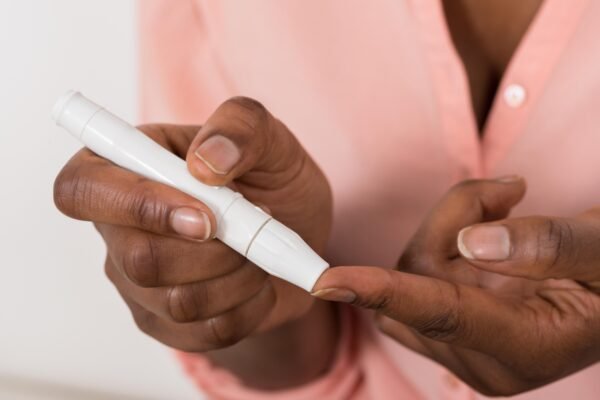
- Blood glucose and insulin sensitivity (Mixed evidence): Several small randomized controlled trials suggest that fenugreek supplementation may help reduce fasting blood glucose and improve insulin response, particularly in people with type 2 diabetes or prediabetes. However, study sizes are generally small and methodologies vary, limiting firm conclusions.
- Testosterone and male hormonal health (Limited to mixed evidence): Some trials have reported modest increases in free testosterone or improvements in libido in men using standardized fenugreek extracts. However, these studies are often industry-funded, relatively short-term, and involve small sample sizes. Independent replication is limited.
- Breast milk production in lactating women (Limited evidence): Fenugreek has a long traditional use as a galactagogue. A small number of clinical trials show some increase in milk volume, but systematic reviews note the overall evidence quality is low and results are inconsistent.
- Cholesterol and lipid levels (Preliminary evidence): Some animal and small human studies suggest fenugreek may modestly lower LDL cholesterol and triglycerides, but large, well-controlled human trials are lacking.
Overall, the existing research base for fenugreek is promising in certain areas but should be considered preliminary to mixed. Larger, independent, well-controlled clinical trials are needed before strong conclusions can be drawn for most uses.
Typical Dosage
Dosages used in research and seen on supplement labels vary widely depending on the intended use and the form of the extract. General ranges observed in studies include:
- Whole seed powder: Approximately 5–30 grams per day, often divided into multiple doses, particularly in blood glucose studies.
- Standardized seed extract: Commonly 300–600 mg per day, with some studies using up to 900 mg per day. Many commercially available extracts are standardized to 40–50% furostanolic saponins.
It is important to note that dosage varies significantly across studies and products, and no universally accepted therapeutic dose has been established. Individual responses may differ based on health status, body composition, and the specific extract used. Consulting a qualified healthcare provider before use is advisable.
Potential Benefits
Based on available research, fenugreek supplementation may support:
- More stable blood glucose levels and improved insulin sensitivity in individuals with metabolic concerns
- Modest improvements in free testosterone levels and self-reported libido in some men, according to certain clinical trials
- Breast milk production in some lactating women, though evidence is inconsistent
- Minor improvements in lipid profiles, including LDL cholesterol, in some populations
These potential benefits are based on available research and should not be interpreted as definitive therapeutic claims. Results may vary among individuals.
Side Effects & Safety
Fenugreek is generally considered safe for most adults when used in amounts commonly found in food. At supplemental doses, side effects have been reported and include:
- Gastrointestinal discomfort, including nausea, bloating, diarrhea, and gas — particularly at higher doses
- A maple syrup-like odor in sweat and urine, which is harmless but notable
- Possible hypoglycemia (low blood sugar), especially in individuals taking diabetes medications concurrently
- Allergic reactions in individuals sensitive to plants in the Fabaceae family (e.g., peanuts, soybeans, chickpeas)
- Rare reports of liver-related concerns at very high doses, though evidence is sparse
Who Should Avoid It
Certain individuals should exercise caution or avoid fenugreek supplementation entirely:
- Pregnant individuals: Fenugreek has historically been used to stimulate uterine contractions and may carry a risk of premature labor. Its use during pregnancy is generally not recommended without medical supervision.
- People taking blood sugar-lowering medications: The glucose-lowering effects of fenugreek may compound the effects of antidiabetic drugs, potentially leading to hypoglycemia.
- People taking anticoagulant or antiplatelet medications: Some evidence suggests fenugreek may have mild blood-thinning effects, which could interact with warfarin or similar medications.
- Individuals with legume allergies: Cross-reactivity with peanuts, soybeans, and other legumes has been documented.
- Infants: Some sources have raised concerns about fenugreek tea use in infants, including reports of neurological symptoms. Use in this population is not recommended.
Anyone with a chronic medical condition or who takes prescription medication should consult a healthcare professional before using fenugreek as a supplement.
Scientific References
Peer-reviewed studies on Fenugreek[study] are indexed on PubMed (National Library of Medicine).
Supplements Containing Fenugreek[study]
You can find Fenugreek[study] in these products we have reviewed:
- ProstaVive Review 2026: Honest Verdict for Men Waking Up at 3 AM
- ProstaVive Review 2026: Honest Verdict for Men Waking Up All Night
- ProstaVive Review 2026: Honest Verdict for Men Waking Up at Night
- ProstaVive Review: Honest Verdict for Men Tired of Broken Sleep (2026)
- ProstaVive Review 2026: Honest Verdict for Men Waking Up at Night
- ProstaVive Review (2026): An Honest Verdict for Men Waking Up at 3am
- ProstaVive Review (2026): Honest Verdict for Men Waking Up All Night
- ProstaVive Review 2026: Honest Verdict for Men Waking Up at 3am
- ProstaVive Review 2026: Complaints, Results & Expert Verdict
- ProstaVive Review (2026): An Honest Verdict for Men Waking Up at 3am
- ProstaVive Review 2026: Honest Verdict for Men Waking Up at Night
- ProstaVive Review 2026: Honest Verdict on This Prostate Formula